Introduction
Cats are meticulous groomers that spend hours cleaning their coats every single day. As they lick, tiny hook-like structures on their tongues catch loose fur, which is swallowed during grooming. In most healthy felines, ingested fur moves smoothly through the digestive tract and exits in the litter box. However, fur can gather in the stomach to form dense clumps that are thrown up on your rugs. When seeking solutions, pet owners face a wide selection of choices. Finding effective hairball remedies for cats: Vaseline vs malt paste vs high-fiber wet diets requires evaluating how each option works inside the feline gut.
Pet owners often struggle to choose between quick household hacks, palatable commercial pastes, and long-term dietary fixes. While some methods focus on lubricating swallowed hair, others aim to optimize intestinal motility to prevent blockages before they begin. Understanding the mechanics behind each approach ensures your feline friend stays comfortable, happy, and healthy.
Understanding Feline Hairballs and Digestive Risks
A hairball, medically known as a trichobezoar, develops when swallowed fur fails to pass through the stomach sphincter into the small intestine. Instead, the hair rolls together into a cylindrical mass mixed with gastric juices over time. Occasional hairballs are common, but frequent retching signals an underlying issue that needs immediate attention.
If left unmanaged, accumulated hair masses can grow too large to pass naturally through the gastrointestinal tract. This can result in painful digestive blockages, dangerous intestinal obstructions, or chronic constipation. Knowing how to use hairball remedies for cats: Vaseline vs malt paste vs high-fiber wet diets helps owners intervene early before severe health complications arise.
Vaseline and Petroleum Jelly as a Hairball Remedy
Plain white petroleum jelly, commonly known by the brand name Vaseline, is a classic home remedy that many cat owners use. Its low cost and wide availability make it an attractive option for quick treatment when commercial products are unavailable.
Vaseline functions as an indigestible intestinal lubricant that coats ingested hair inside the stomach. Because feline digestive enzymes cannot process petroleum jelly, it travels intact down the gastrointestinal tract, allowing the dense wad of fur to slide smoothly into the stool. However, frequent use can interfere with fat-soluble vitamin absorption over extended periods.

Malt Paste: The Palatable Commercial Alternative
Malt paste is a specially formulated commercial product designed to prevent and relieve feline hairballs effectively. It combines malt extract with vegetable oils, dietary fiber, and added nutrients like taurine or omega fatty acids to support overall digestion.
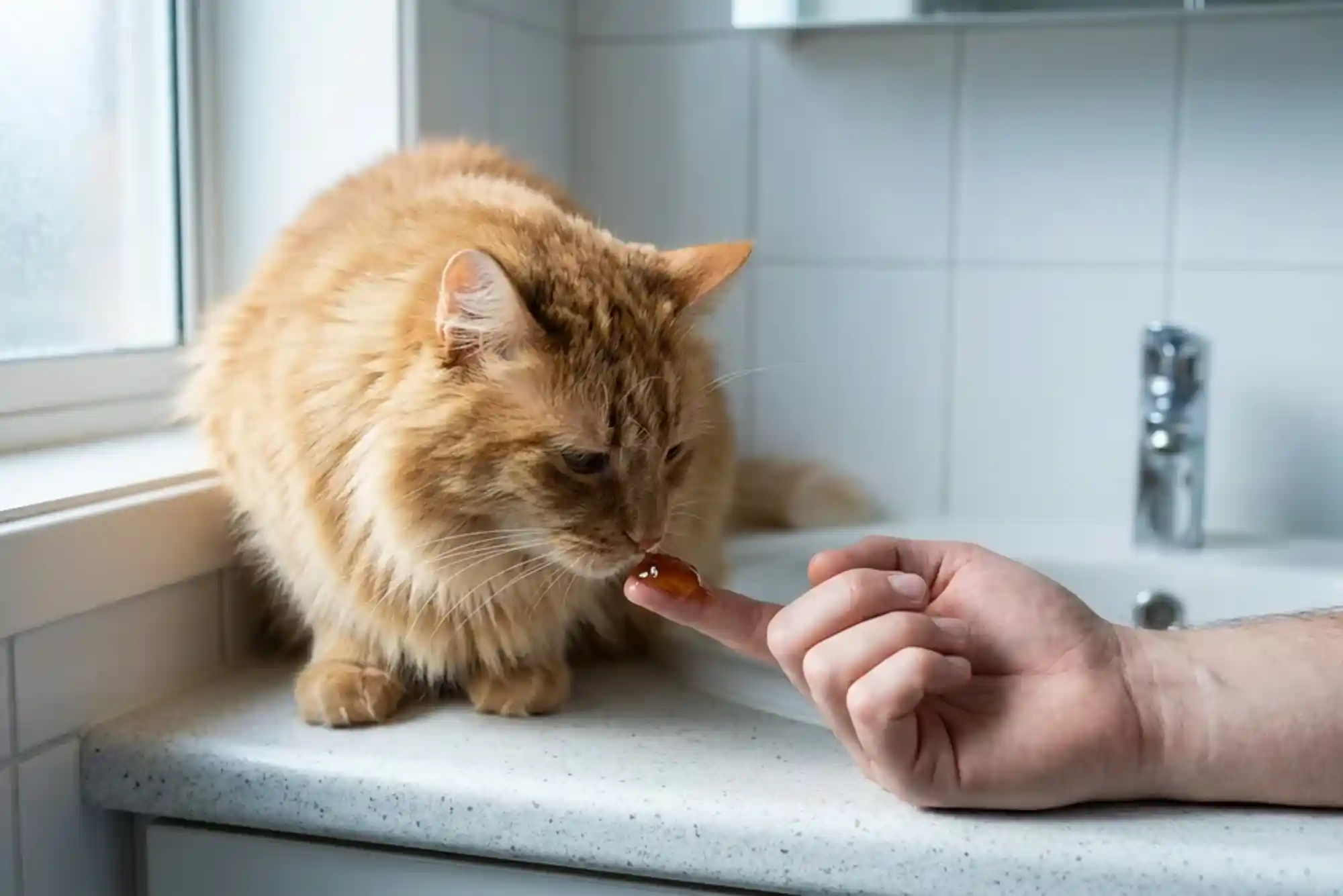
The malt extract gives the paste a rich, savory taste that cats enjoy, turning hairball treatment into a pleasant experience. Administering malt paste is straightforward because most cats willingly lick it directly from your finger, but pet owners must monitor usage to avoid soft stool or extra calorie intake.
High-Fiber Wet Diets: The Long-Term Preventative Solution
High-fiber wet cat foods address hairballs through daily nutrition rather than temporary lubrication. These specialized canned diets combine elevated dietary fiber with high moisture content to support total digestive health and smooth gut motility.
Soluble and insoluble fibers bind loose hair directly to digested food, sweeping hair out with regular bowel movements naturally. Transitioning to a high-fiber wet diet offers superior long-term control, though dietary changes require one to two weeks to show full preventive benefits.
Grooming and Hydration: Essential Supporting Factors
Remedies work best when combined with preventative coat care and hydration strategies. Daily brushing removes dead fur before your cat swallows it during routine grooming sessions, which significantly reduces the volume of ingested hair.
Hydration plays an equally crucial role in intestinal transit speed. Providing water fountains, adding water to canned food, or offering plain bone broth keeps the digestive tract lubricated naturally and prevents dry, sluggish stools.
When to Contact a Veterinarian
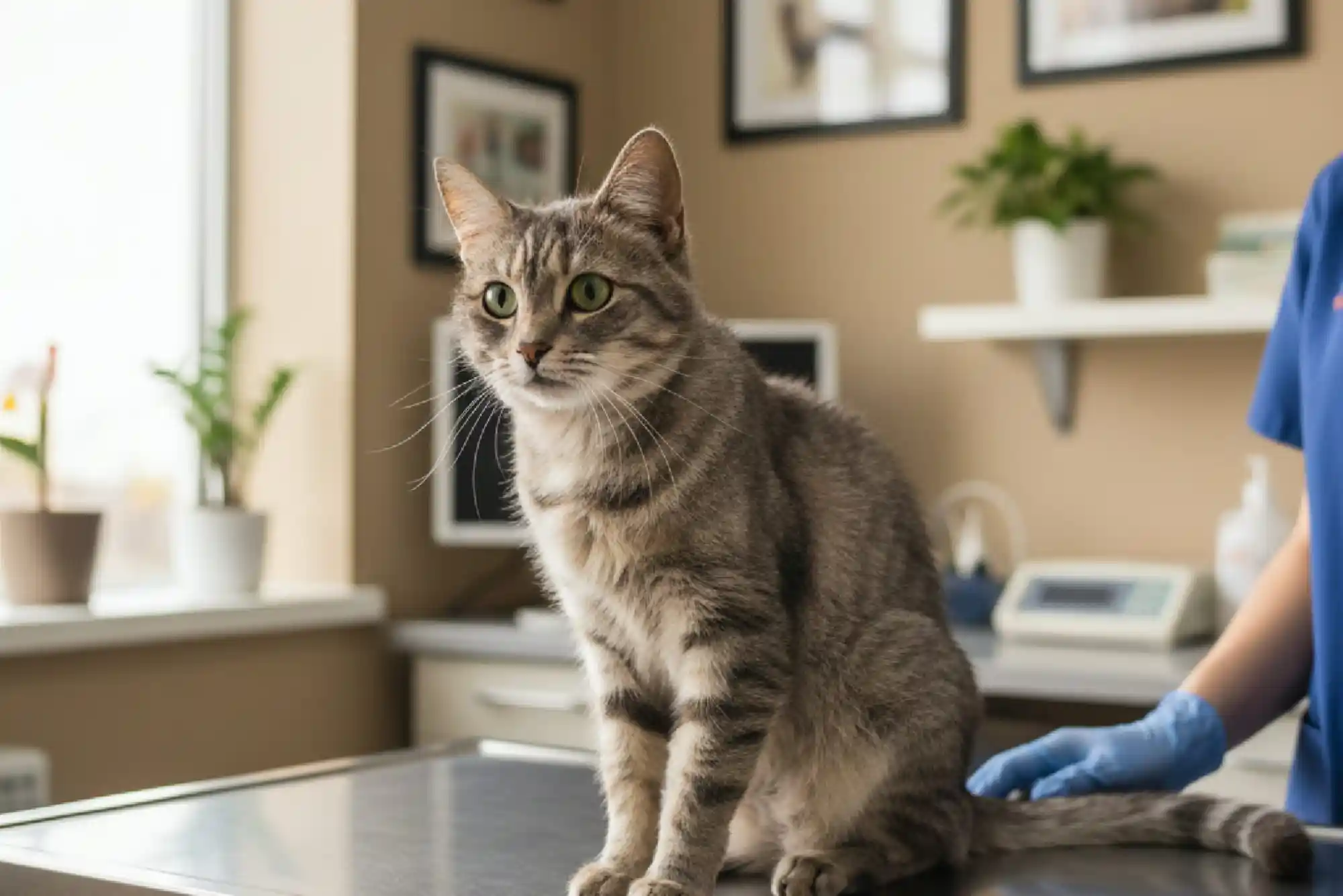
While home remedies are effective for routine maintenance, hairballs can occasionally create dangerous blockages. Seek immediate veterinary attention if your cat shows continuous dry retching, loss of appetite, lethargy, or severe constipation.
A veterinarian can perform physical exams and abdominal imaging to rule out severe intestinal obstructions. Professional intervention ensures your pet receives accurate diagnosis and treatment before life-threatening complications occur.
Conclusion
Managing feline hairballs effectively requires understanding your cat’s specific digestive needs. When comparing hairball remedies for cats: Vaseline vs malt paste vs high-fiber wet diets, each option holds a distinct role in keeping your pet healthy and comfortable.
Combining a quality high-fiber wet diet with regular grooming sessions provides the most reliable protection against painful digestive blockages. Talk to your veterinarian today to design a personalized hairball prevention plan tailored specifically for your cat.
Frequently Asked Questions
How often should I give my cat hairball remedy paste?
For general prevention, administer hairball paste two to three times per week. During seasonal shedding periods or for long-haired cats, you can increase frequency to once daily according to product instructions or veterinary guidance.
Excessive use of paste should be avoided to prevent digestive upset. Always monitor your cat’s stool consistency and consult a veterinarian if soft stools or diarrhea occur.
Is plain Vaseline safe for cats to ingest?
Plain, unflavored petroleum jelly is non-toxic to cats in small amounts. However, it should only be used sparingly as an occasional home remedy when commercial products are unavailable.
Frequent or large doses can interfere with the absorption of essential vitamins. Commercial cat gels or malt pastes are much safer and more palatable for long-term management.
Can high-fiber wet food cure an existing hairball blockage?
High-fiber wet food is designed to prevent hairball formation over time rather than dissolve existing blockages. It works gradually by moving loose hair through the intestines during normal digestion.
If your cat currently has a dense hairball stuck in its stomach, a veterinary-approved lubricating gel or immediate medical evaluation is necessary. Never rely solely on diet during an acute blockage.
How long does it take for a hairball remedy to work?
Lubricating gels and malt pastes typically work within 24 to 48 hours to help pass ingested fur through bowel movements. They provide rapid relief for loose hair sitting in the stomach.