
Introduction
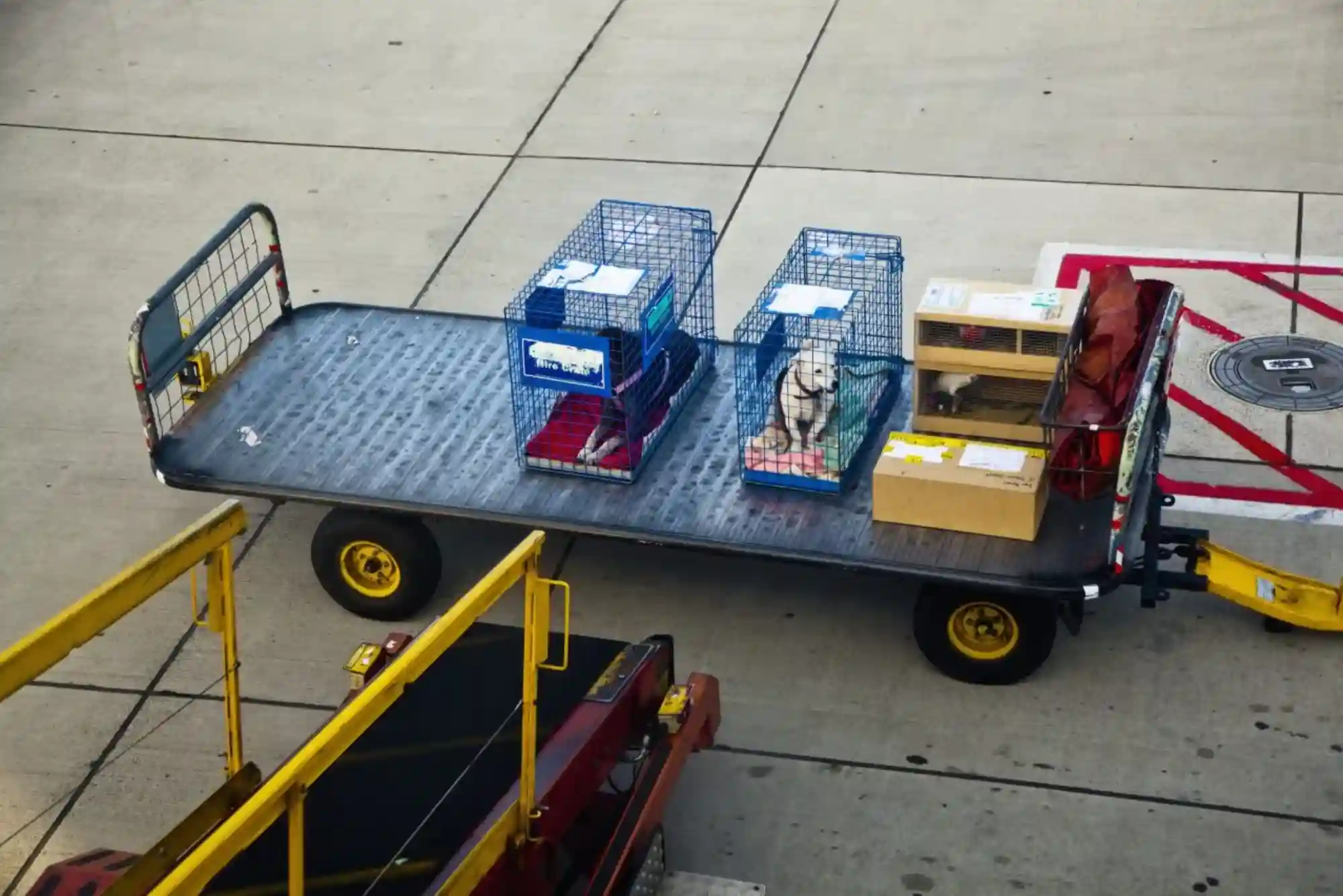
Flying with a dog requires careful planning, especially when your pet cannot travel in the cabin. Understanding Flying with Dogs as Checked Baggage or Cargo: Temperature Embargoes and Crate Specs helps owners prepare for airline requirements and protect their pets throughout the journey. Although both options involve transporting dogs in an aircraft’s hold, they follow different procedures.
Temperature restrictions, kennel dimensions, ventilation, and documentation can affect whether an airline accepts your dog. Furthermore, weather conditions at departure, transit, and arrival airports may influence travel arrangements. Preparing early helps reduce unexpected delays and makes the experience safer for your pet.
Understanding Checked Baggage and Cargo for Dogs
When airlines transport dogs outside the passenger cabin, they generally offer checked pet transportation or specialized air cargo services. The available option depends on the airline, route, aircraft, dog breed, and destination regulations.
Flying Dogs as Checked Baggage
Some airlines allow eligible dogs to travel as checked baggage on the same flight as their owners. The dog remains inside an approved travel kennel throughout the journey. Airline personnel handle the animal through designated procedures.
This option can be convenient because owners and pets may travel together. However, availability is limited by aircraft capacity, weather restrictions, kennel dimensions, and airline policies. Not every airline offers checked pet transportation on every route.
Transporting Dogs as Air Cargo
Air cargo is often necessary when a dog travels without its owner or exceeds the airline’s checked-pet limits. Depending on the carrier, cargo transportation may also accommodate certain international routes or larger animals.

Cargo shipments typically require separate booking arrangements and additional documentation. Owners may need to use an approved pet transport agent or cargo handling facility. The process can involve different acceptance deadlines and collection procedures.
Before choosing either option, contact the airline directly. Confirm how your dog will travel and whether the service operates on every segment of the itinerary.
Temperature Embargoes and Their Importance
Temperature embargoes are restrictions airlines impose when weather conditions could threaten an animal’s health. Extreme heat and cold can create serious risks during loading, unloading, airport transfers, and waiting periods.
These restrictions are particularly important because animals may experience temperature exposure outside the aircraft. Ground handling areas, transport vehicles, and airport ramps can become dangerously hot or cold.
How Hot Weather Affects Dog Travel
High temperatures can increase the risk of overheating, dehydration, and heatstroke. Dogs with short noses, thick coats, respiratory problems, or existing health concerns may face additional risks.
Some airlines restrict pet transportation when temperatures exceed their specified limits. These restrictions may apply to the departure airport, arrival airport, or connecting locations. Certain carriers also consider forecast temperatures during the expected handling period.
There is no single temperature threshold that applies to every airline. Restrictions vary according to carrier policies, animal characteristics, airport facilities, and local conditions.
Cold Weather Restrictions
Cold weather can also make air travel dangerous for dogs. Prolonged exposure to low temperatures may cause hypothermia or other cold-related problems.
Airlines may suspend animal transportation when conditions fall below their permitted limits. Some carriers impose seasonal embargoes on specific routes or restrict transportation for particular breeds.
Owners should ask whether temperature-controlled facilities are available during handling. They should also confirm whether the airline can provide suitable protection during ground transfers.
What Happens During a Temperature Embargo?
When an embargo applies, an airline may refuse acceptance, postpone transportation, or require a different route. In some situations, cargo reservations may need to be rescheduled.
Therefore, avoid arranging travel with extremely tight connections. Allow enough flexibility to manage weather-related disruptions.
Check the forecast several days before departure and again shortly before travel. However, remember that the airline’s acceptance decision ultimately depends on its own current requirements.
Crate Specifications for Safe Air Travel
Choosing the correct travel crate is essential when flying with dogs as checked baggage or cargo. An unsuitable kennel can lead to rejection at check-in or cargo acceptance.
Airlines commonly base their requirements on applicable aviation standards, including the International Air Transport Association’s Live Animals Regulations. However, individual carriers may impose additional conditions.
Choosing the Correct Crate Size
Your dog must have enough room to stand naturally, turn around, sit, and lie down comfortably. The crate should not force the animal into an unnatural position.
Measure your dog’s height, length, and width carefully. Follow the airline’s measurement instructions because kennel sizing requirements can differ.
A crate that is too small may compromise comfort and safety. Conversely, an oversized kennel can exceed aircraft compartment limits or incur additional charges.
Confirm the maximum permitted kennel dimensions before purchasing one. Also, check the combined weight of the dog and crate because airlines may apply weight restrictions.
Crate Construction and Materials
Airlines generally require a sturdy kennel designed for animal transportation. Depending on the carrier, acceptable materials may include rigid plastic, fiberglass, or other approved constructions.
The crate must resist ordinary handling without collapsing or allowing the dog to escape. Doors, hinges, fasteners, and locking mechanisms should remain secure throughout transportation.
Some airlines restrict collapsible kennels or particular door designs. They may also require specific fasteners or additional security measures.
Never assume that a kennel sold as airline-approved meets every airline’s requirements. Obtain written confirmation for your particular route.
Ventilation and Door Security
Proper ventilation helps maintain airflow inside the kennel. Ventilation openings must meet the airline’s requirements and should not create escape hazards.
The door should close securely and remain locked during handling. The dog must not be able to push the door open or force its way through gaps.
Airlines may require additional ventilation on particular sides of the crate. They can also specify acceptable door materials and locking arrangements.
Food, Water, and Bedding
A travel crate generally needs suitable food and water containers when required by the airline. These should be accessible for replenishment without opening the kennel door.
Attach or position containers according to the carrier’s instructions. Provide absorbent bedding that helps keep your dog comfortable while managing small accidents.
Avoid loose objects that could shift during transportation. Toys, blankets, and other accessories should only be included when permitted.
Preparing Your Dog for Cargo or Checked-Baggage Travel
Even a correctly sized crate cannot guarantee a stress-free flight. Preparing your dog gradually can help reduce anxiety and improve familiarity with the travel environment.
Crate Training Before Departure
Introduce the kennel several weeks before the planned flight whenever possible. Let your dog explore it voluntarily and associate it with positive experiences.
Gradually increase the time your dog spends inside with the door closed. Practice short periods of separation so the kennel becomes a familiar resting place.
Never wait until departure day to introduce a travel crate. An unfamiliar kennel can increase stress during an already demanding experience.
Veterinary Checks and Health Documentation
Arrange a veterinary examination before international travel. Your veterinarian can assess whether your dog is fit to fly and identify relevant health risks.
Requirements may include vaccination records, a health certificate, microchip information, import permits, and parasite treatments. The exact documents depend on the destination and transit countries.
Some countries require specific certificates issued within a limited period before departure. Others require government endorsement or advance import authorization.
Check official destination requirements well before booking. Missing paperwork can result in denied boarding, quarantine, or refusal of entry.
Feeding and Hydration
Follow your veterinarian’s and airline’s guidance regarding feeding before departure. A large meal immediately before travel may increase discomfort for some dogs.
Offer water as directed and ensure your dog is hydrated before check-in. Do not withhold water for extended periods without veterinary advice.
Avoid sedating your dog unless a veterinarian has specifically assessed the situation. Sedation can affect an animal’s ability to respond to changes during transportation, and airlines may prohibit sedated pets.
Booking and Airport Procedures
Book pet transportation as early as possible because airlines often limit the number of animals accepted per flight. A passenger ticket alone does not guarantee that the airline will accept your dog.
Confirm whether your dog is booked as checked baggage or cargo. Ask about acceptance deadlines, kennel inspections, handling fees, and collection arrangements.
For cargo shipments, check whether the animal must arrive at a separate cargo terminal. You may need to complete paperwork and present the dog well before the aircraft’s departure.
At acceptance, airline personnel may inspect the kennel, documentation, and animal’s condition. Incorrect measurements, insecure doors, or missing paperwork can prevent transportation.
Keep copies of your dog’s records and reservation confirmation. Make sure the identification attached to the kennel matches your contact details and destination information.
Common Mistakes to Avoid
One frequent mistake is assuming that every airline follows identical pet transportation rules. Requirements may differ significantly between carriers, routes, and aircraft types.
Another mistake is buying a crate before checking maximum dimensions. A kennel that works for one airline may not fit another aircraft’s cargo compartment.
Ignoring temperature embargoes can also disrupt travel plans. Seasonal weather restrictions may affect acceptance even when the reservation has already been confirmed.
Owners should also avoid booking complicated itineraries without confirming animal acceptance at every connection. Separate tickets and airline changes can create additional handling requirements.
Finally, never assume that a pet transport company can override airline safety policies. Always confirm the final arrangements with the carrier responsible for each flight.
Frequently Asked Questions
Can dogs fly as checked baggage or cargo?
Yes, depending on the airline, route, dog size, and applicable restrictions. Some airlines accept eligible dogs as checked baggage, while others require cargo transportation. Confirm the available service before booking.
What temperature is too hot for dogs to fly?
There is no universal temperature limit for all airlines. Each carrier establishes its own restrictions based on weather, handling conditions, and operational safety. Ask for the current temperature embargo policy at every airport on your route.
What size crate does a dog need for air travel?
The crate must allow the dog to stand naturally, turn around, sit, and lie down comfortably. Exact dimensions depend on your dog’s measurements and the airline’s rules. Check the carrier’s specifications before purchasing a kennel.
Are airline-approved dog crates accepted by every airline?
No. A crate advertised as airline-approved may not meet a particular carrier’s requirements. Airlines can impose additional limits concerning dimensions, construction, ventilation, doors, and fasteners.
Is flying a dog as cargo safe?
Cargo transportation can be appropriate when the airline follows its animal-handling procedures and the dog is suitable for air travel. However, transportation still involves risks, including stress, temperature exposure, and delays. Consult a veterinarian and choose a carrier with suitable animal-handling arrangements.
Can airlines refuse dogs because of cold weather?
Yes. Airlines may restrict or suspend animal transportation during extreme cold. Restrictions depend on the carrier’s policies, the route, and conditions during ground handling.
Conclusion
Flying with Dogs as Checked Baggage or Cargo: Temperature Embargoes and Crate Specs is an important subject for anyone planning air travel with a pet. Understanding temperature restrictions, crate specifications, documentation, and airline procedures helps prevent avoidable complications.