Introduction
Resource guarding in dogs can make everyday situations stressful for pet owners. A dog might growl over a food bowl, snap when someone approaches a toy, or stiffen when asked to release a valuable object. Although these behaviors can seem frightening, they often develop from a fear of losing something important.
Understanding Resource Guarding in Dogs: How to Stop Food and Toy Aggression with Trade Drills helps owners respond safely and build healthier habits. Instead of punishing a dog for protecting possessions, the goal is to change how the dog feels when people approach valuable items. With careful management, positive reinforcement, and structured trade drills, many dogs can learn that human involvement brings good things rather than loss.
However, resource guarding can involve genuine bite risks. Therefore, safety must come before training, particularly when children, visitors, or other pets are present.
Understanding Resource Guarding in Dogs
Resource guarding occurs when a dog uses body language or aggressive behavior to protect something valuable. Common triggers include food, chew bones, toys, stolen objects, resting places, and occasionally particular people.
Some dogs simply turn away or carry an item elsewhere. Others freeze, stare intensely, growl, show their teeth, or bite when approached. These behaviors vary in severity, and even subtle warning signs deserve attention.
Resource guarding is not necessarily a sign of dominance or a bad temperament. Dogs may guard because they feel insecure, have experienced competition over resources, or anticipate losing something valuable. Some dogs also have medical problems that increase irritability, making veterinary assessment important when behavior changes suddenly.

Recognizing these triggers allows owners to prevent confrontations while working toward lasting behavioral improvement.
Why Food and Toy Aggression Develop
Food guarding often appears when a dog believes someone approaching its bowl could remove the meal. Similarly, toy guarding may occur when a dog expects people to take away its favorite possession.
Previous experiences can influence these reactions. For example, repeatedly removing a dog’s bowl to prove ownership may teach the dog that approaching hands predict losing food. Chasing a dog to retrieve a stolen object can create the same association.
Genetics, early social experiences, stress, and competition between household pets may also contribute. Importantly, guarding does not always result from mistreatment. A well-cared-for dog can develop the behavior without any obvious negative experience.
The most effective approach combines prevention with gradual behavior modification. Dogs need to learn that people approaching their resources predict something pleasant, not an unavoidable loss.
Resource Guarding in Dogs: How to Stop Food and Toy Aggression Safely
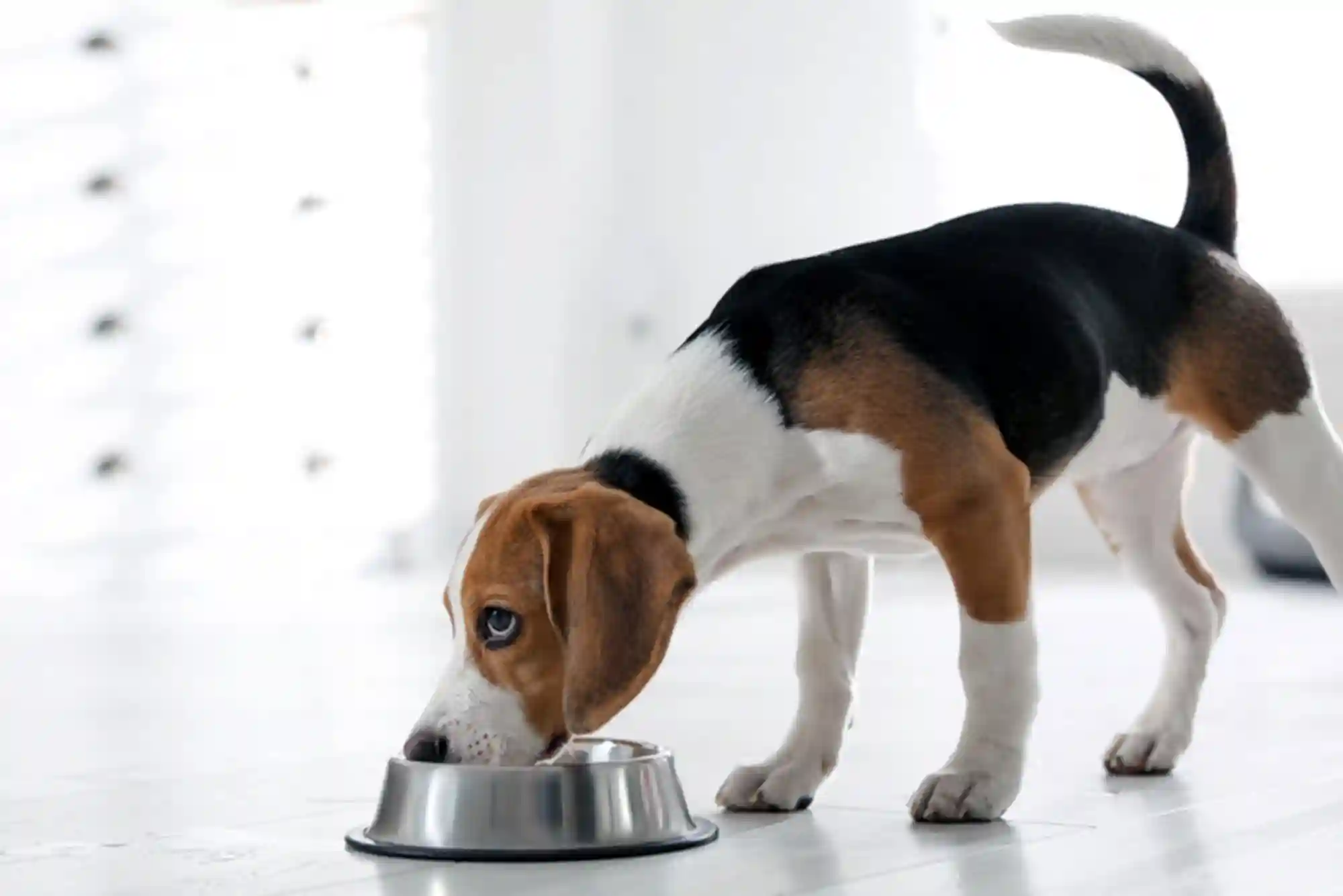
Before beginning trade drills, establish an environment where the dog feels secure. Feed the dog in a quiet, separate area, away from children and other animals. Allow uninterrupted meals, and avoid touching the bowl while the dog eats.
Keep especially valuable chews out of shared spaces if they trigger guarding. Store toys that provoke intense reactions until a qualified professional can help develop an appropriate training plan.
Never punish growling, force an item from the dog’s mouth, or deliberately test how close you can get. Growling communicates discomfort, and suppressing this warning can make future incidents less predictable.
If your dog has snapped, bitten, lunged, or guarded items intensely, consult a qualified veterinary behaviorist or reward-based behavior professional before attempting hands-on exercises. A veterinarian can also investigate pain or other medical contributors.
How Trade Drills Help Reduce Resource Guarding
Trade drills teach dogs that releasing an object can lead to something equally valuable or even better. Rather than losing possessions unpredictably, the dog gains a rewarding choice.
This method uses positive reinforcement to encourage cooperation. It also helps build trust because the dog learns that people do not always take things away.
However, trade drills are not a quick fix for every guarding problem. Dogs with severe aggression may require individualized treatment and professional supervision. Training should always remain below the dog’s threshold for fear or defensive behavior.
Start With Low-Value Toys
Choose a toy your dog enjoys but does not guard intensely. Prepare several small, delicious treats before beginning the session.
Allow your dog to play naturally. From a comfortable distance, offer a treat without reaching toward the toy. When your dog willingly releases the toy to eat, calmly praise the behavior.
Initially, avoid picking up the toy. Let your dog return to it after eating whenever safe. This helps establish that your approach does not automatically mean losing a possession.
Keep sessions short and positive. Gradually increase difficulty only when your dog remains relaxed throughout the exercise.
Teach a Reliable Drop Cue
Once your dog comfortably releases low-value toys, introduce a verbal cue such as “drop.” Say the cue immediately before offering a treat or another appropriate reward.
When the dog releases the object, reward the behavior promptly. Practice with different safe toys in calm environments, changing only one variable at a time.
Avoid repeatedly commanding your dog or pulling against an object. Pressure can increase frustration and make guarding worse.
Over time, your dog may begin releasing items after hearing the cue. Nevertheless, continue rewarding successful exchanges, particularly when the object is valuable.
Introduce Better-Value Exchanges
Some possessions are much more important to dogs than others. A favorite chew, for instance, may be harder to exchange than an ordinary plush toy.
Use a reward your dog genuinely enjoys, such as a small piece of suitable food. Offer the reward without crowding the dog or attempting to grab the guarded object.
If the dog voluntarily leaves the item, reward the decision. Retrieve the object only when necessary and safe. Whenever appropriate, return it afterward to reinforce the idea that cooperation does not always mean permanent loss.
Never reach into a dog’s mouth to force an exchange. If the dog refuses, stiffens, growls, or retreats, stop the exercise and reassess the difficulty.
How to Address Food Bowl Guarding
Food guarding requires particular caution because eating can be highly motivating. Never begin by touching the bowl, removing food, or placing your hands near a dog’s face.
For mild cases without a history of threatening behavior, a professional may recommend carefully changing the dog’s association with approaching people. For example, a person might remain at a comfortable distance and occasionally toss a desirable treat toward the bowl before moving away.
The dog should remain relaxed and continue eating normally. Over repeated sessions, a qualified professional can guide gradual changes in distance and timing.
If the dog stiffens, freezes, eats frantically, stops eating to monitor you, or growls, increase distance and discontinue the exercise. These signs suggest discomfort rather than progress.
For severe food guarding, do not conduct approach-based exercises independently. A veterinary behaviorist can develop a plan tailored to the dog’s history and bite risk.
Common Mistakes That Make Resource Guarding Worse
One major mistake is punishing growling. Although the sound can be unsettling, growling provides valuable information about a dog’s discomfort. Punishment may suppress the warning without changing the underlying emotion.
Another mistake is repeatedly taking away toys or food to demonstrate control. This can strengthen the dog’s expectation that human approaches predict loss.
Owners should also avoid chasing dogs that steal objects. Chasing may turn retrieval into a stressful confrontation or an exciting game that encourages future stealing.
Finally, rushing training can undermine progress. A dog that exchanges one toy comfortably may still guard food, bones, or another possession. Each resource and situation may require separate assessment.
Frequently Asked Questions
Can resource guarding in dogs be cured?
Many dogs improve significantly with appropriate management and behavior modification. However, outcomes depend on the dog’s history, triggers, severity, and household environment. Some dogs require lifelong management around specific resources. The goal is safer, more relaxed behavior rather than forcing a dog to tolerate every situation.
Should I take my dog’s food away to stop food aggression?
No. Removing food to test or establish control can increase anxiety and guarding. Give your dog a quiet feeding area and avoid interfering with meals. If guarding occurs, seek professional guidance for a safe behavior modification plan.
Why does my dog growl when I take away a toy?
Your dog may expect the loss of a valuable possession or feel threatened by your approach. Growling communicates discomfort and should not be punished. Avoid forcibly retrieving the toy, and seek help if the behavior includes snapping or biting.
How long does resource guarding training take?
There is no universal timeline. Mild cases may improve over several weeks of consistent, appropriate training, while complex cases can require months or longer. Progress depends on the dog’s comfort, training quality, and the severity of the behavior. Avoid rushing exercises or increasing difficulty too quickly.
Can resource guarding develop suddenly?
Yes. Sudden behavioral changes can sometimes reflect pain, illness, increased stress, or changes in the household. Arrange a veterinary examination when guarding appears unexpectedly or becomes more intense. Meanwhile, prevent situations that could trigger confrontation.
Conclusion
Resource guarding in dogs can be challenging, but understanding its causes creates opportunities for meaningful improvement. Safe management, positive reinforcement, and carefully structured trade drills can help dogs develop more comfortable associations with people approaching valuable possessions.