
Introduction
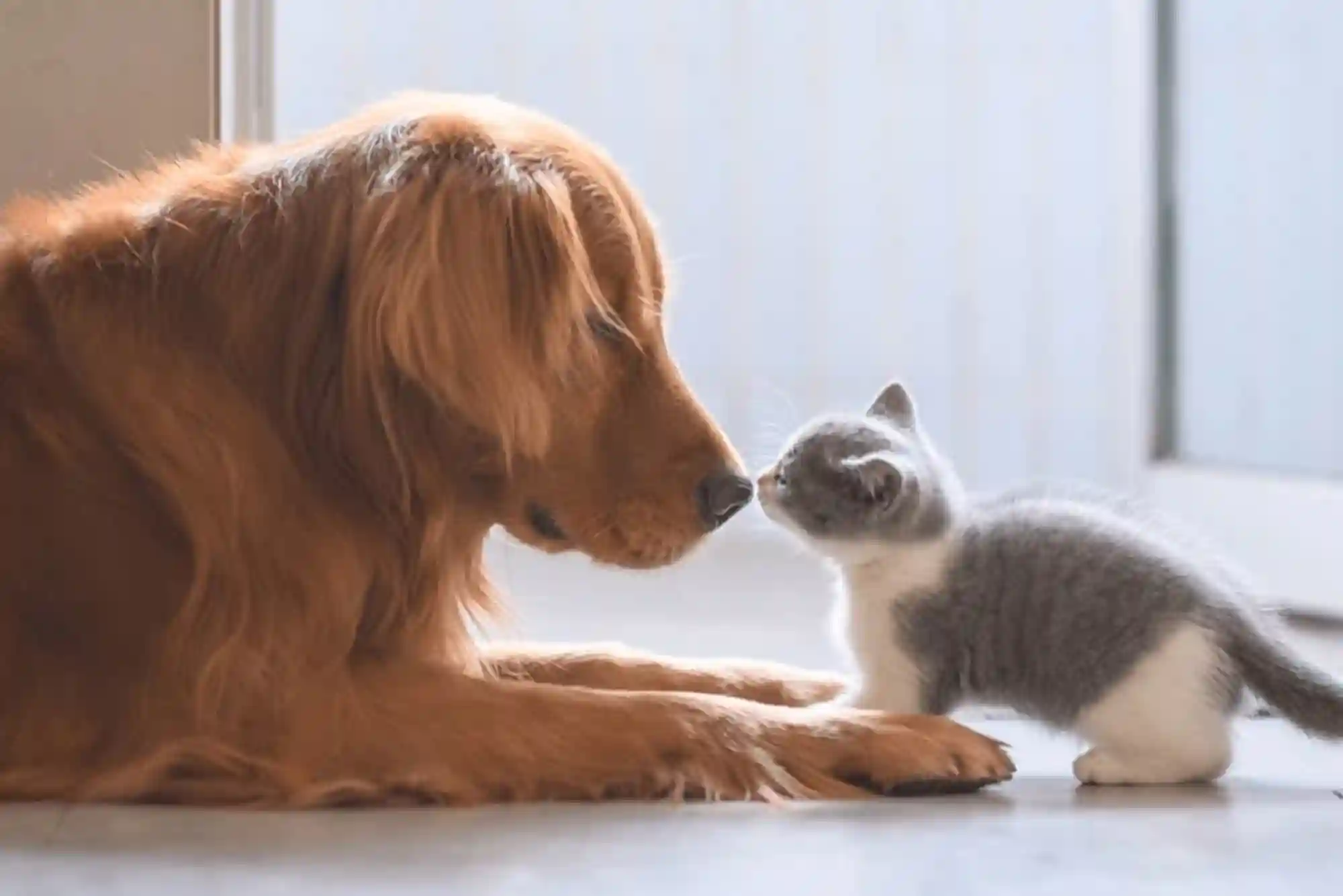
Introducing a new cat to a dog requires patience, preparation, and a clear plan. Although some pets become friends quickly, others need several weeks to feel comfortable. Understanding How to Introduce a New Cat to a Dog: Scent Swapping and Visual Barrier Protocols can help prevent unnecessary stress and create a safer environment for both animals.
Dogs and cats communicate differently. A dog’s playful approach might frighten a cautious cat, while a cat’s defensive behavior can trigger a dog’s chasing instinct. Therefore, successful introductions should focus on gradual exposure rather than immediate physical contact.
Scent swapping and visual barriers are two effective techniques for helping pets become familiar with each other. When used consistently, these methods allow both animals to investigate, observe, and adjust without feeling trapped or threatened.
Why Proper Introductions Matter
A new pet changes the familiar environment for everyone. Your existing dog may become excited, territorial, or overly curious. Meanwhile, your cat may hide, refuse food, or become defensive when encountering an unfamiliar animal.
Rushing the process can increase fear and encourage chasing, scratching, or biting. However, a gradual introduction allows each pet to develop positive associations at its own pace.
Before starting, consider your dog’s prey drive, obedience skills, and history with cats. Likewise, assess your cat’s temperament, previous experiences with dogs, and confidence in unfamiliar surroundings.

Some dogs have strong chasing instincts, even when they appear friendly. Never assume that a calm appearance guarantees safety. If your dog has previously attacked small animals, consult a qualified behavior professional before attempting an introduction.
Preparing Your Home for a New Cat and Dog
Preparation makes the introduction easier and reduces opportunities for conflict. Begin by creating a dedicated room for the new cat, preferably with a door that closes securely.
The room should contain food, fresh water, a litter box, comfortable bedding, hiding places, and scratching surfaces. Provide elevated resting spots where the cat can observe its surroundings without feeling exposed.
Your dog should continue using familiar sleeping areas and following its usual routine. Maintaining predictable feeding times, walks, and play sessions helps reduce anxiety.
Make sure the cat has access to escape routes and dog-free areas throughout the home. Baby gates can help establish boundaries, but choose barriers that prevent the dog from jumping over or breaking through them.
Keep both animals separated whenever supervision is unavailable. This precaution remains important even after several successful meetings.
How to Introduce a New Cat to a Dog Through Scent Swapping
Scent swapping is an important first step because animals gather information about unfamiliar companions through smell. Before meeting face-to-face, your pets can become familiar with each other’s scent in a controlled environment.
Exchange Bedding and Scented Items
Start by placing a blanket, towel, or bedding item used by one pet near the other pet’s resting area. Allow the animals to investigate voluntarily.
Do not push the scented item toward either animal or force them to smell it. Instead, let them approach, sniff, and move away whenever they choose.
Watch their reactions carefully. Relaxed body language, casual sniffing, and returning to normal activities suggest growing comfort. Growling, persistent avoidance, intense fixation, or repeated attempts to escape indicate that you should slow down.
Associate the Other Pet’s Scent With Positive Experiences
Once both animals tolerate the exchanged scents, introduce positive experiences around them. Offer treats, meals, or gentle play at a comfortable distance from the scented items.
For example, feed your dog in its usual area while the cat’s scent is present. Similarly, allow the cat to enjoy treats near an item carrying the dog’s scent.
Keep these experiences calm and brief. If either pet stops eating, becomes tense, or shows signs of distress, increase the distance.
Allow Controlled Exploration of Shared Spaces
After successful scent exchanges, let the animals explore each other’s spaces separately. Keep the other pet securely elsewhere during these sessions.
Your cat can investigate areas where the dog normally rests, while your dog can explore the cat’s room when the cat is safely elsewhere. This helps both animals become familiar with household smells without direct confrontation.
Move forward only when both pets remain reasonably relaxed. There is no fixed timeline for scent swapping, and some animals need several days or longer.
Using Visual Barriers for Safe Introductions
Visual barriers allow pets to see one another without having direct physical access. This stage builds familiarity while reducing the risk of chasing or sudden attacks.
Begin With a Secure Barrier
Use a secure screen door, sturdy pet gate, or another suitable barrier that prevents physical contact. Consider a partially covered barrier initially, allowing only brief glimpses.
Keep your dog on a leash with a capable adult handling it. Ensure your cat can retreat freely and is never trapped near the barrier.
Begin at a distance where both animals can notice each other without becoming highly excited. Reward your dog for looking calmly at the cat and then turning its attention back to you.
Likewise, allow the cat to watch from a comfortable hiding place or elevated position. Never carry the cat toward the dog to force an encounter.
Keep Visual Sessions Short
Start with brief sessions lasting a minute or two, adjusting the duration according to each animal’s behavior. End the session while both pets remain calm rather than waiting for tension to develop.
Look for loose muscles, relaxed movement, voluntary disengagement, and an ability to accept treats. These signs suggest the animals may be ready for slightly longer sessions.
Watch for stiff posture, prolonged staring, lunging, barking, flattened ears, growling, or frantic escape attempts. If these occur, increase the distance or cover the barrier and return to an easier stage.
Build Positive Associations Gradually
Repeat visual sessions consistently without rushing progress. Pair calm observations with rewards, allowing each pet to associate the other animal’s presence with pleasant experiences.
If your dog becomes overly excited, practice basic cues such as responding to its name, sitting, and settling on a mat before continuing. Reward calm attention rather than demanding prolonged staring at the cat.
The goal is not to make the pets interact immediately. Instead, teach them that seeing each other does not require chasing, hiding, or defensive behavior.
Moving From Barriers to Supervised Meetings
Once both pets remain relaxed during repeated visual sessions, consider introducing them into the same room. Choose a spacious area with several escape routes and places for the cat to climb.
Keep your dog on a loose leash and reward calm behavior. Allow the cat to approach voluntarily, maintain its distance, or leave whenever it wants.
Avoid holding the cat in your arms during the meeting. A frightened cat may scratch while attempting to escape, and being held removes its ability to retreat naturally.
Keep initial meetings brief and finish before either animal becomes overwhelmed. Gradually increase their time together only when their behavior remains consistently relaxed.
Never leave the animals alone together until you have strong evidence of safe, reliable behavior. Some dogs and cats may never be safe without physical separation, and that is an acceptable outcome.
Common Mistakes to Avoid
One frequent mistake is introducing pets face-to-face immediately after bringing the cat home. This removes the opportunity for gradual adjustment and may create lasting negative associations.
Another mistake is punishing growling, hissing, or other warning signals. These behaviors communicate discomfort. Punishment may suppress warnings without resolving the underlying fear.
Avoid allowing your dog to chase the cat, even if the behavior appears playful. Chasing can frighten the cat and become rewarding for the dog, making future interactions harder to manage.
Do not assume that a cat hiding under furniture is ready to meet the dog. Give it time to explore and establish confidence in its safe room.
Finally, avoid judging progress by the calendar. Some pets adjust within days, while others require weeks or months. Their behavior should determine the pace.
How Long Does It Take to Introduce a Cat to a Dog?
The introduction process varies according to age, temperament, previous experiences, and the dog’s response to small animals. Some pets become comfortable within a few weeks, while others need several months.
Scent swapping may take several days before both animals tolerate each other’s smell. Visual introductions can then continue for days or weeks, depending on their reactions.
Progress is not always linear. A sudden bark, an unexpected movement, or a stressful household event may temporarily increase anxiety.
When this happens, return to the last stage where both pets felt comfortable. Consistent, low-pressure practice is more valuable than rushing toward a particular deadline.
If your dog repeatedly lunges, fixates on the cat, or cannot disengage, seek help from a qualified veterinary behaviorist or experienced reward-based trainer.
Frequently Asked Questions
How do you introduce a new cat to a dog for the first time?
Begin by keeping them in separate areas. Exchange bedding to introduce their scents, then progress to brief visual encounters through a secure barrier. Allow direct meetings only when both animals show relaxed behavior.
How long should you keep a cat separated from a dog?
Keep the cat in a dedicated safe room until it settles into the home and tolerates the dog’s scent. Separation may last several days or longer. Continue using barriers until both animals remain calm during visual encounters.
Should I let my dog sniff my new cat?
Allow your dog to investigate the cat’s scent through bedding or other scented items first. During later meetings, permit calm sniffing only when the cat can retreat freely and the dog remains controlled.
How do you know if a dog and cat will get along?
Relaxed body language, voluntary approaches, and the ability to disengage are encouraging signs. However, no single behavior guarantees compatibility. Persistent chasing, intense fixation, or repeated aggression requires additional precautions and professional guidance.
Can a dog and cat become friends after a bad first meeting?
Yes, some animals can develop a positive relationship after an unpleasant encounter. Separate them, allow time to recover, and restart with scent swapping and controlled visual exposure. Severe aggression or injury warrants professional advice before another introduction.
Conclusion
Learning How to Introduce a New Cat to a Dog: Scent Swapping and Visual Barrier Protocols can make the transition safer and less stressful for everyone in your household. Scent exchanges establish familiarity, while visual barriers allow controlled exposure without immediate physical contact.